
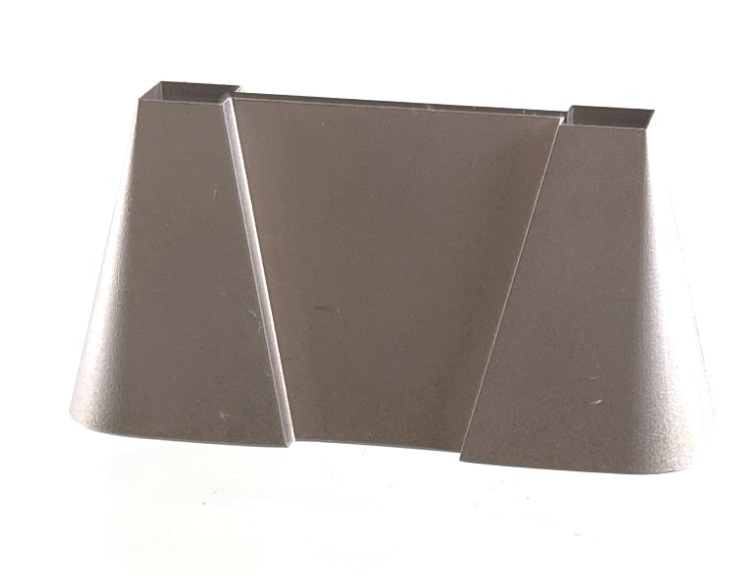
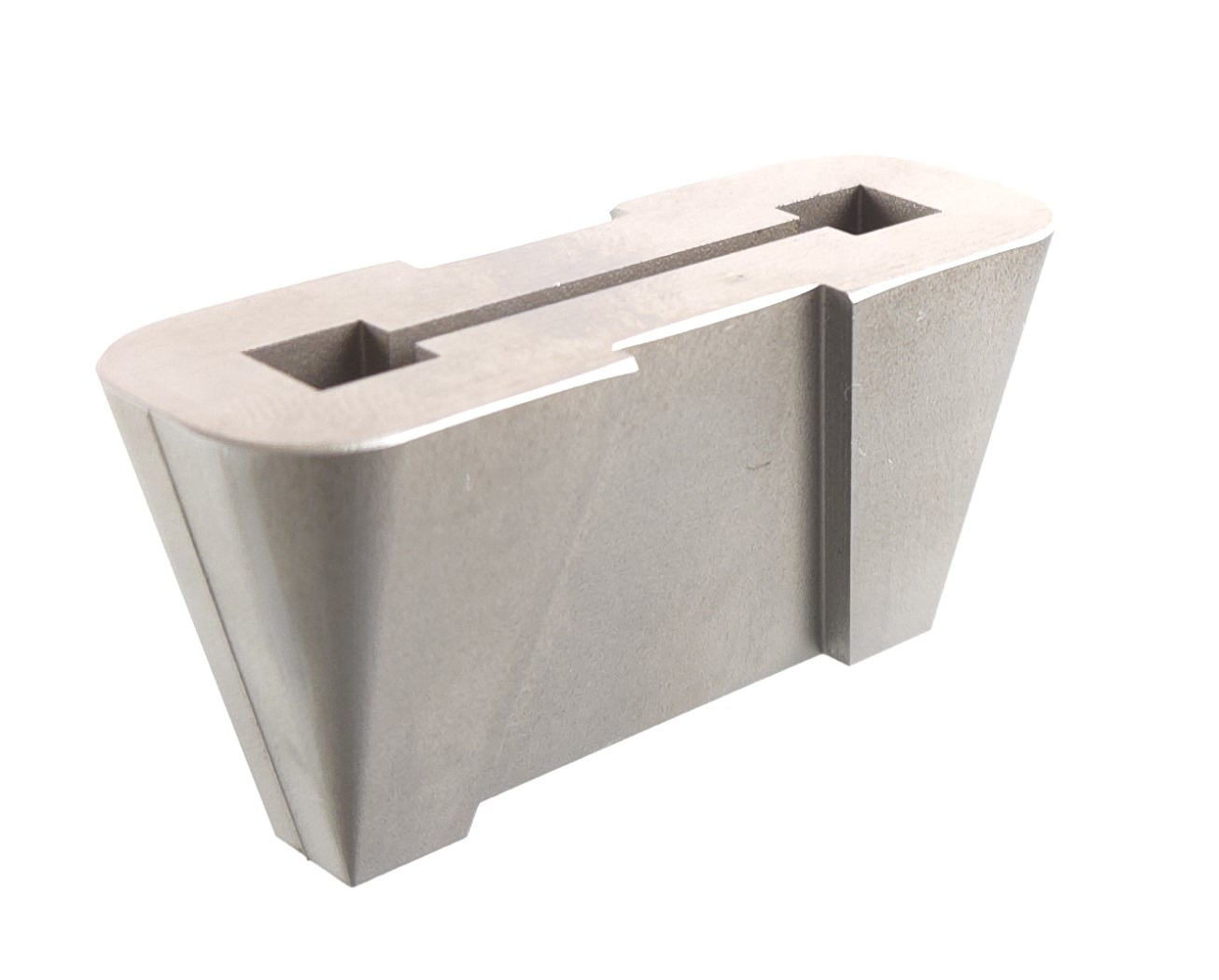
ASTM D1329 (25mm) Specimen Cutting Die (CCSI-D1329-25N)
The CCSi ASTM D1329 (25mm) Specimen Cutting Die cuts the narrow rectangular test strip used in the Temperature Retraction (TR) test, which evaluates how rubber and rubber-like materials behave as they warm up from a frozen, low-elasticity state — a very different low-temperature test from brittleness point testing, since TR tracks retraction behavior rather than fracture.
The procedure elongates a specimen, locks it in that stretched position, chills it until its elasticity is effectively suspended, then releases it and lets it retract freely while the temperature climbs at a steady rate. Length gets measured at set temperature intervals throughout that retraction, and percentage retraction gets calculated at each point — data that reveals how much crystallization is affecting the compound at low temperature.
Two temperatures matter most here: TR10, the point at 10% retraction, which correlates with brittleness point in similar polymer vulcanizates, and TR70, at 70% retraction, which correlates with low-temperature compression set. The gap between the two widens as crystallization increases, giving formulators a useful crystallization indicator alongside the raw retraction data.
ASTM D1329 specifies three die lengths for the narrow strip portion — 25, 38, and 51 mm — chosen based on expected elongation and the physical limits of the specimen rack being used; end tabs stay the same size across all three. This is the 25 mm version; contact CCSi for the 38 mm or 51 mm dies if your rack setup calls for a different length.
$825.00

specimen dies, ASTM D1329 Specimen Cutting Dies, TR, TR test, cutting dies, Standard Test Method for Evaluating Rubber Property—Retraction at Lower Temperatures (TR Test), D1329, ASTM D1329, subnormal temperature, low temperature, temperature retraction, brittleness, brittleness point, cold test.