
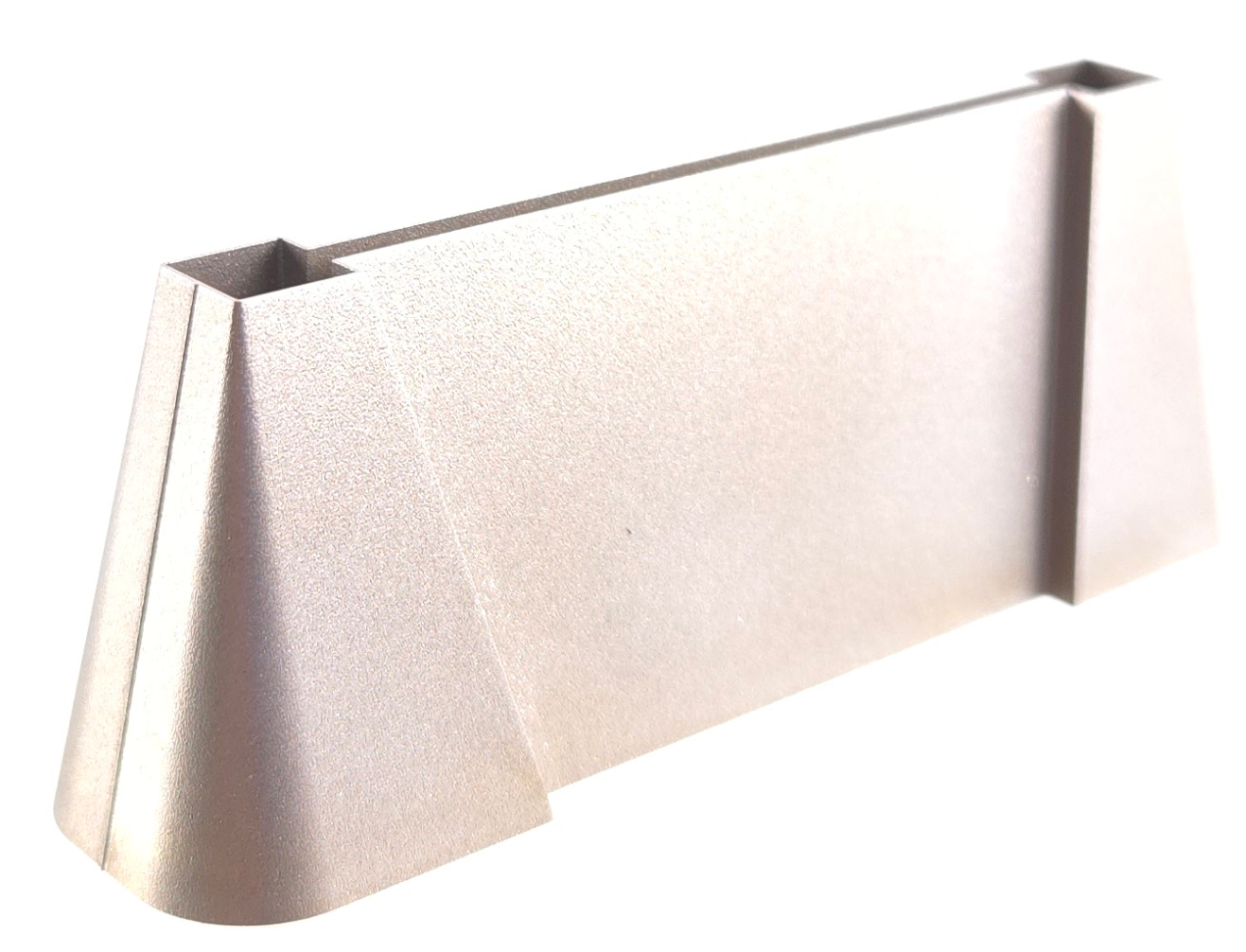
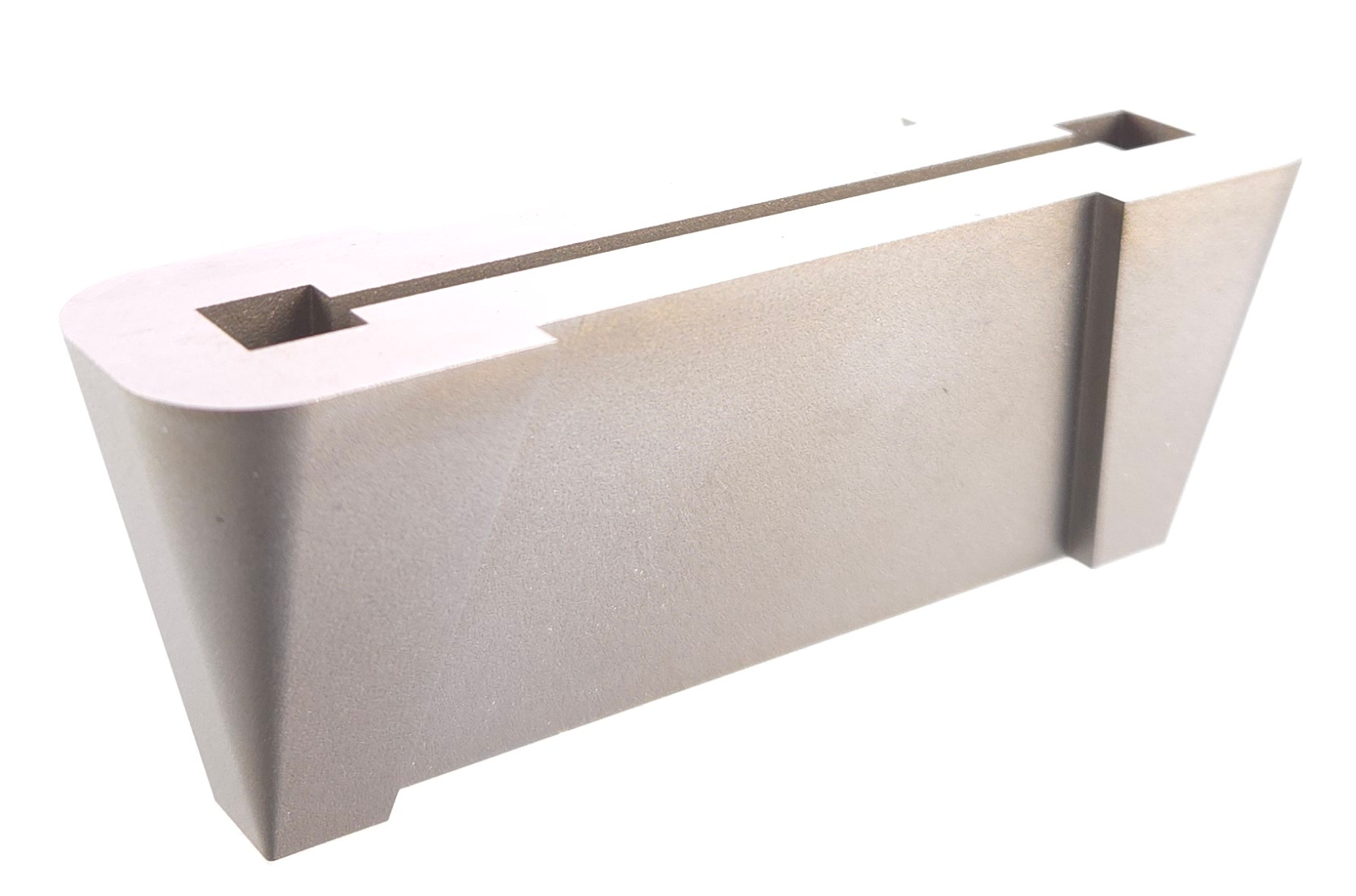
The CCSi ASTM D1329 (51mm) Specimen Cutting Die cuts the longest of the three narrow-strip lengths specified for the Temperature Retraction (TR) test — a low-temperature viscoelasticity test for rubber, not a thermal-conductivity or insulation test. The strip gets elongated, locked in place, frozen to suppress elasticity, then released and allowed to retract freely as temperature rises at a controlled rate, with length recorded at set intervals throughout.
At 51 mm, this die suits materials with higher expected elongation or specimen racks built for the longer strip length — the choice between 25, 38, and 51 mm comes down to your material’s elongation range and your rack’s physical limits, not a difference in what the test measures.
TR10 and TR70 — the temperatures at 10% and 70% retraction — remain the key reference points regardless of strip length, correlating respectively with brittleness point and low-temperature compression set. A wider gap between the two signals more crystallization in the compound.
Built in-house from American tool steel with wire-EDM finishing for repeated resharpening. See the 38 mm die or the standard 25 mm die if your rack calls for a shorter strip.
$865.00

specimen dies, ASTM D1329 Specimen Cutting Dies, TR, TR test, cutting dies, Standard Test Method for Evaluating Rubber Property—Retraction at Lower Temperatures (TR Test), D1329, ASTM D1329, subnormal temperature, low temperature, temperature retraction, brittleness, brittleness point, cold test.